
The Story Behind the Song
The Paradox of the Title
My sister is older than me by a decade. But “little big sister” captures something the calendar can’t—she’s been immense in my life since before I could walk, yet there’s something about her gentle spirit that makes “little” feel right too.
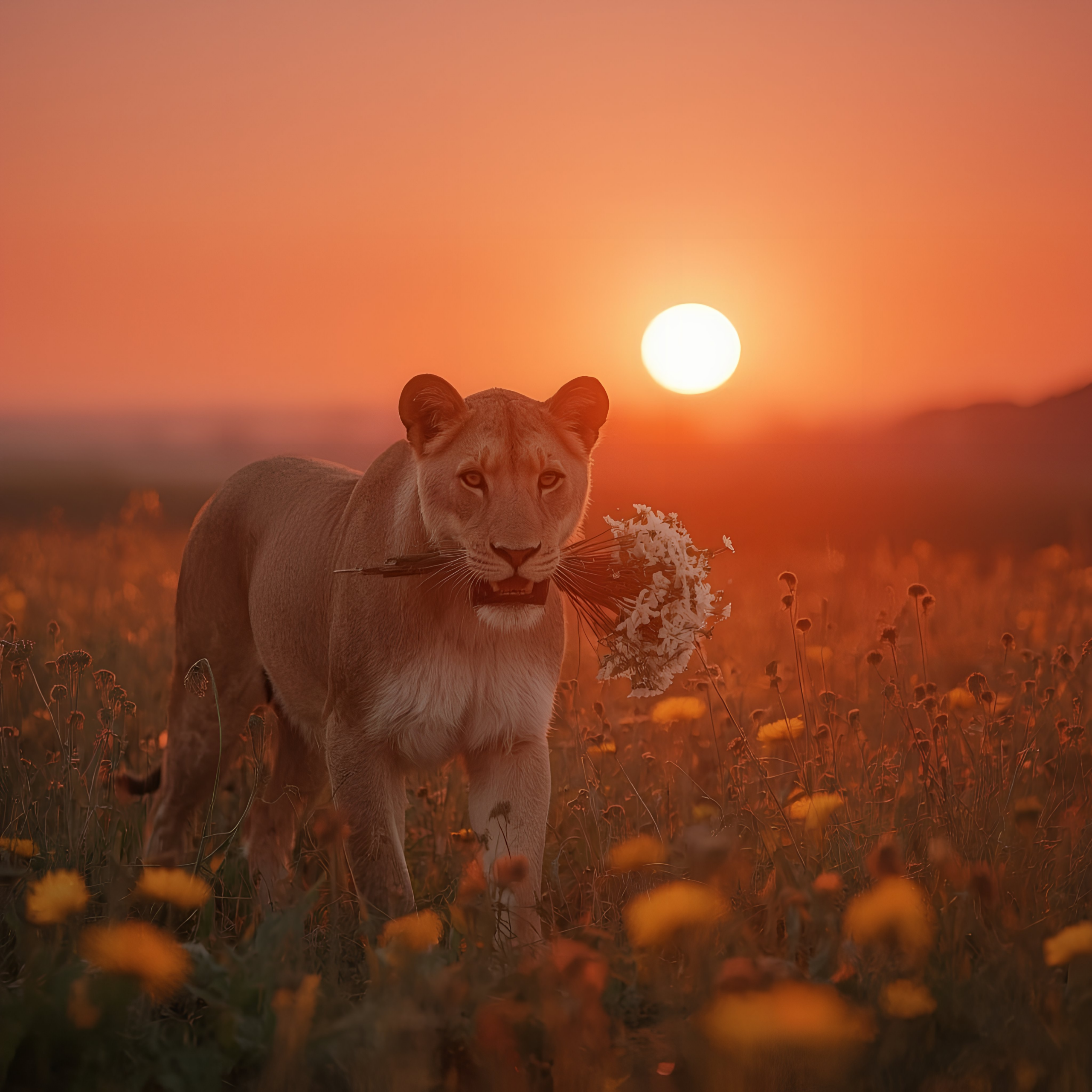
This song is for her. For everything she gave when she shouldn’t have had to. For how she expanded my world when hers was still so small. For the quiet lioness strength that people mistake for softness.
The Beginning
The opening verse goes back to the very start:
“You were there before my first breath drawn / Snuck me from my cot while our mother was sleeping / Fed me liquid gold in the quiet hours / Small hands holding something bigger than both of us.”
She wasn’t supposed to be a caregiver as a child. But she chose to be. Sneaking me out of the cot to feed me in those quiet nighttime hours. Small hands holding something bigger than both of us—not just me as a baby, but the responsibility she took on.
“You opened doors I didn’t know existed / Showed me there were flavours beyond what we knew / Gave me more than what we were given / Measuring cups became maps to different worlds.”
Woodfired pizza. Greek yogurt. Measuring ingredients properly instead of guessing. These seem small, but they represented a whole world beyond what our family knew. She was my window to “more.”
The Core Truth
The chorus became the thesis:
“Your kindness is a flower that never stops blooming / Scatters seeds across the distance between us / They mistook your softness for surrender / But the lioness had nothing left to prove.”
That last line is everything. People saw her gentleness and thought “weak.” But lions don’t prove their strength to prey. She just IS strong. Unshakable. The kind of strength that doesn’t need to announce itself.
The Hard Years
Verse two addresses what she survived:
“Sister turned to something rarer, a true friend / Blood bonds alchemised to gold / Connection spanning continents and silence / Your name alone brings light across my face.”
She married young to an older man. Divorced later. Raised her daughter alone—and raised her incredibly well. Was taken advantage of by family, by her ex, by friends who saw her open heart as something to borrow from without returning.
The rap section honours that journey:
“Yeah, you stepped up bold when the world got heavy / Raised a daughter right into someone incredible / Walked through fire, came out refined not broken / Every scar a testament, every tear a token.”
“Of strength they couldn’t see beneath the gentle / You’re monumental, fundamental, transcendental.”
The Sibling Language
The Zulu became our affirmation:
“Ngiyakuthanda né! / Thanda kakhulu Usisi” (I love you! / Love you so much, big sister)
But the final choruses add “Aye bliksem!”—our playful nickname for each other. The teasing. The mickey-taking. The sibling language that only makes sense to us.
Because that’s what makes our relationship real. Not just admiration from a distance. But presence. Jokes. The comfortable ribbing that comes from deep trust.
Building the Sound
Musically, I wanted warm South African folk rock with call-and-response Zulu harmonies. Building from intimate verses to powerful choruses that celebrate her without making her uncomfortable.
The instrumentation includes acoustic guitar fingerpicking, stomp percussion, and layered harmonies that swell in the final chorus—everyone joining to honour her.
What It Means Now
I can’t listen to this without getting choked up. Because it’s all true. Every line. Every image.
She shaped who I am more than she knows. Showed me what good parenting looks like when I had no other model. Taught me that softness isn’t weakness and that the strongest people are often the quietest.
And now, even though we’re separated by distance and time zones, just seeing her name pop up brings light across my face.
The Universal Thread
If you have someone in your life who gave more than they should have had to, who expanded your world when theirs was still small, who showed you possibilities you didn’t know existed—tell them.
Not in some grand gesture. Just tell them they mattered. That they matter.
Because people like my sister? They’re used to being taken for granted. Used to their kindness being seen as an obligation rather than a gift.
This song is me saying: I see you. I’ve always seen you. And I’m grateful.
“You’ll always be my little big sister.”
Listen to “Little Big Sister” and honour the quiet ones who held you up.
From the album Ancient Roads
