
The story behind the song
Born out of time
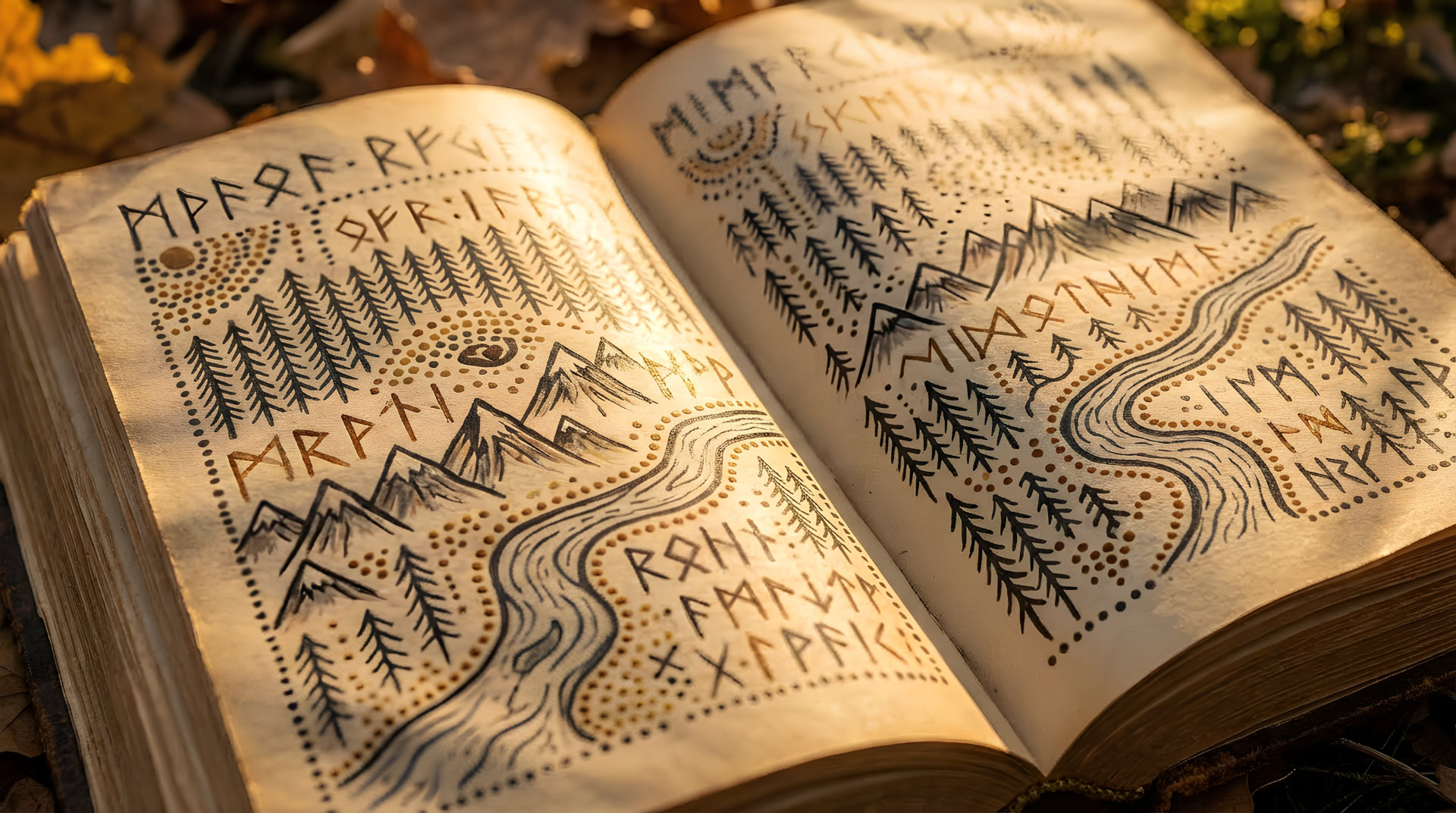
I’ve always felt like I was reading a book written in a language I only half understand.
“Ancient Roads” came from that persistent ache of feeling out of sync with the modern world. Not in a pretentious “technology bad” way—more like my soul remembers seasons from a century ago, when the world was still wild mystery before the overflow.
This skin doesn’t fit the soul I carry. I’m homesick for horizons that only exist in my mind.
The paradox of being lost
The central hook came to me fully formed: “The lost ones find the wildness when they finally wake again.”
Because that’s the paradox, isn’t it? Being lost is how you find yourself. Wandering off the mapped paths is how you discover what actually matters. The ones who feel most disconnected from modern life are often the ones most connected to something deeper.
“Born between the pages of a book I’ll never read / Raised on concrete promises that couldn’t plant a seed.” That’s the opening because it captures the dissonance—trying to grow in soil that was never meant for you.
I’m not romanticising some mythical past. I’m acknowledging that some of us feel the pull of ancient rhythms, wild places, unhurried time. And that longing isn’t weakness. It’s memory.
Building the journey
Musically, I wanted this upbeat despite the melancholy themes. 120-130 BPM, celebratory energy, because discovering you’re an old soul isn’t a tragedy—it’s a gift.
The intro opens with a whistled melody and soft Zulu whispers—”Khumbula, umoya wakho” (Remember, your spirit). Setting the mood immediately: this is about remembering who you’ve always been.
Fingerpicked acoustic guitar with loop pedal creates that Jeremy Loops texture, organic and rhythmic. Hand percussion drives it forward. This isn’t a slow, contemplative track—it’s a journey with momentum.
The Zulu call-and-response became essential: “Ngilahlekile, ngilahlekile / Ngitholakele!” (I am lost, I am lost / I am found!). The repetition, the building intensity—it’s both lament and celebration.
The rap as validation
The rap section needed to feel like an older, wiser voice speaking directly to the protagonist:
“I see you brother, feel that weight you carry round / Old soul in a young world, feet that can’t touch ground / But listen, those ancient roads you’re searching for? / They running through your veins, beating at your core.”
That’s the turning point. You’re not searching for something external. The ancient is internal. You carry the wild within you.
“The ones who wander freely are the ones who see / So get lost brother, lose yourself inside that pine / The forest follows you—it’s written in your spine.”
What it means now
I can’t perform this song without feeling that pull toward forests, mountains, places without names on maps. Toward the version of myself that existed before the world told me who to be.
But here’s what the song taught me: you don’t have to physically escape to find those ancient roads. They’re accessible right now. In the pause between tasks. In the moment you turn off the screens. In the choice to walk slower, notice more, and resist the manufactured urgency.
The wild isn’t a place. It’s a state of being.
The universal thread
If you’ve ever felt like you don’t quite belong in this accelerated, artificial world, you’re not broken. You’re remembering.
Remembering when time moved differently. When connection meant presence, not performance. When being lost was part of the adventure, not a failure to optimise.
“May I get lost and never return / Let the forest teach me what I came to learn.”
That’s not escapism. That’s coming home to yourself.
The ancient roads don’t exist on any map because they were never external. They run through your veins, written in your spine, waiting for you to remember.
Listen to “Ancient Roads” and follow the pull toward wild.
From the album Ancient Roads